
Debt Snowball vs Debt Avalanche: Which Strategy Wins?
Compare the debt snowball and debt avalanche methods with real numbers, psychological research, and a tool to test both with your debt.

Table of contents
The debt snowball and debt avalanche are the two most recommended strategies for paying off debt. Both require the same basic action: making minimum payments on all debts while aggressively targeting one. They differ in which debt gets prioritized. One saves more money in interest. The other builds more motivation.
The avalanche method targets the highest interest rate first, saving the most in total interest paid. The snowball method targets the smallest balance first, creating quick psychological wins. Neither is universally “better.” The best strategy is the one you’ll actually stick with. Budget Planner HQ recommends running both in the debt payoff planner before you commit.
How the avalanche works
List all debts by interest rate, highest to lowest. Pay minimums on everything except the highest-rate debt, which gets every extra dollar. When that debt is eliminated, roll its payment into the next highest rate. The math is simple: you pay less interest overall because expensive debt disappears fastest.
For someone with $15,000 across three cards at 24%, 18%, and 15%, the avalanche could save $2,000+ in interest compared to the snowball over the same payoff period. But that savings only materializes if you stay motivated for the long haul.
Worked example: avalanche vs snowball
| Debt | Balance | APR | Minimum |
|---|---|---|---|
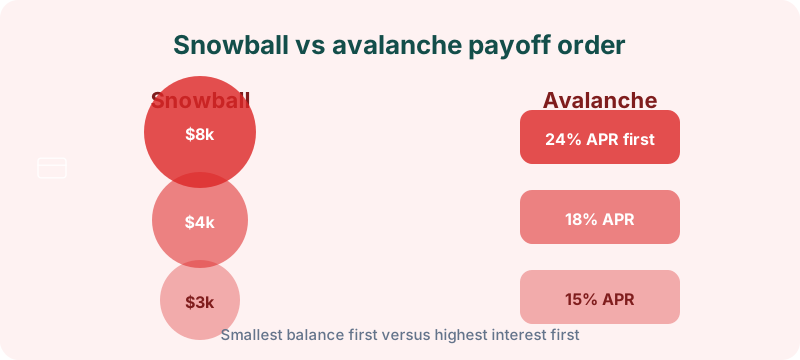
| Card A | $8,000 | 24% | $160 |
| Card B | $4,000 | 18% | $80 |
| Card C | $3,000 | 15% | $60 |
Extra payment available: $300/month (total $600 toward debt)
Avalanche order: Card A, then B, then C. Highest APR goes first.
Snowball order: Card C ($3,000), then B, then A. Smallest balance goes first.
With these numbers, avalanche typically finishes slightly sooner and with less total interest. Snowball eliminates Card C in roughly 5-6 months, giving an early win while Card A still has a large balance. Run your exact cards in the debt payoff planner to see the dollar difference for your situation.
On this sample debt, avalanche might save $400-$800 in total interest versus snowball over the full payoff period. That gap shrinks if rates are closer together or if snowball keeps you paying consistently while avalanche leads to burnout. The planner shows exact dollars so you choose with eyes open.
How the snowball works
Same structure, but target the smallest balance first regardless of rate. The quick payoff, often within a few months, creates a visible milestone that proves the system works. That psychological boost helps many people stay committed when the avalanche would take 18+ months to show progress on the first target.
The debt payoff planner shows both timelines side by side with your specific debts, so you can see the real cost difference before choosing.
When the snowball shines:
- You have many small debts (medical bills, store cards, old balances)
- Past payoff attempts failed because progress felt invisible
- One large high-rate balance would take years to clear first under avalanche
What the research says
A Harvard Business Review study tracked 6,000 people who used a structured debt payoff program. Those who started with small balances (snowball approach) were more likely to eliminate all their debt than those who started with high-interest balances. The motivation factor matters more than the math for most people.
That does not mean math is irrelevant. It means completion rate drives real-world results. A perfect-on-paper plan you abandon in month four loses to a good-enough plan you finish.
Hybrid approaches also work: snowball the first one or two tiny balances for momentum, then switch to avalanche for the remaining high-rate debts. Model both phases in the debt payoff planner.
Build your payoff plan
The debt payoff planner models both strategies with your actual numbers. Input each debt’s balance, interest rate, and minimum payment. See total interest paid, months to payoff, and the monthly payment required for each method. The data removes the guesswork.
Before you start, free up cash flow in the budget planner . Most successful payoff plans include a fixed monthly debt extra that is booked like rent. Track overall progress with the financial health score as balances fall and utilization drops.
Common mistakes
Switching methods every month. Pick one approach for at least 90 days. Constant strategy hopping resets mental momentum.
Paying extra before covering minimums on all debts. Late fees and penalty APRs destroy progress. Minimums first, then extras to the target debt.
Adding new charges on cards you are paying off. Payoff math assumes the balance only goes down. New spending turns the plan into a treadmill.
Ignoring the interest gap. If avalanche saves $4,000 and you need quick wins, know the trade-off you are making. Informed choices stick better.
Forgetting the emergency buffer. Without $500-$1,000 saved, the next surprise lands back on a card. A starter fund and debt plan work together.
FAQ
Which method saves more money?
Debt avalanche almost always minimizes total interest when rates differ meaningfully. The gap shrinks when rates are similar or balances are lopsided.
Is the snowball method bad?
No. It is slightly more expensive in interest for many people but often better at getting them to debt-free status. Finished beats theoretically optimal.
Can I combine snowball and avalanche?
Yes. Clear tiny balances first for momentum, then attack the highest APR. The debt payoff planner helps compare hybrid sequencing.
How much extra should I pay each month?
Any amount above minimums helps. Many households target $100-$300 extra after essentials and a starter emergency fund. The planner shows how each extra dollar changes your payoff date.
What to do next
Run your debts through the debt payoff planner and compare both methods. Pick the one that fits your personality. If you need quick wins to stay motivated, go snowball. If you’re motivated by saving every unit of income possible, go avalanche. The worst strategy is no strategy. For credit-card-specific tactics, see how to pay off credit card debt fast.